Plumbing · Hounslow, London
Boiler & Hot Water Repair in Hounslow & Southall
Every boiler and hot water cylinder across Hounslow and Southall is fighting the same enemy from the moment it's installed: Thames Water's supply. Thames Water classifies all the water across its entire region as hard, with its own scale running from 'hard' at 200–300 mg/l calcium carbonate up to 'very hard' above that — and it's the single biggest reason combi boilers, hot water cylinders and immersion heaters here fail earlier than they should.
Limescale doesn't announce itself. It builds quietly inside a heat exchanger, around an immersion element, and along the inside of a cylinder coil, gradually reducing efficiency long before it causes an outright breakdown — a boiler working harder to heat the same amount of water, a shower that used to run hot for twenty minutes now running out in eight. By the time there's no hot water at all, scale has usually been accumulating for years.
Heston's dense band of 1930s interwar semis, filled in after the A4 Great West Road opened in 1925, is a classic profile for this — original bathrooms being replaced, ageing supply pipework, and cylinders that have never once been power flushed since the house was built. The same pattern runs through Hounslow, Isleworth and Southall; hard water doesn't stop at a borough boundary.
Any gas-adjacent work on a boiler is carried out to the Gas Safety (Installation and Use) Regulations 1998, the statutory standard covering gas appliance work in every UK home — not something we claim as a credential, but the standard the work is built to. If your hot water has stopped, or a combi is losing pressure and you don't know why, call 07863 767134.
What We Do
Our Boiler & Hot Water Services
From a combi losing pressure to a cylinder that's stopped heating, the starting point is always the same — work out whether scale, a failed part, or both, is the cause.
Combi & System Boiler Repair
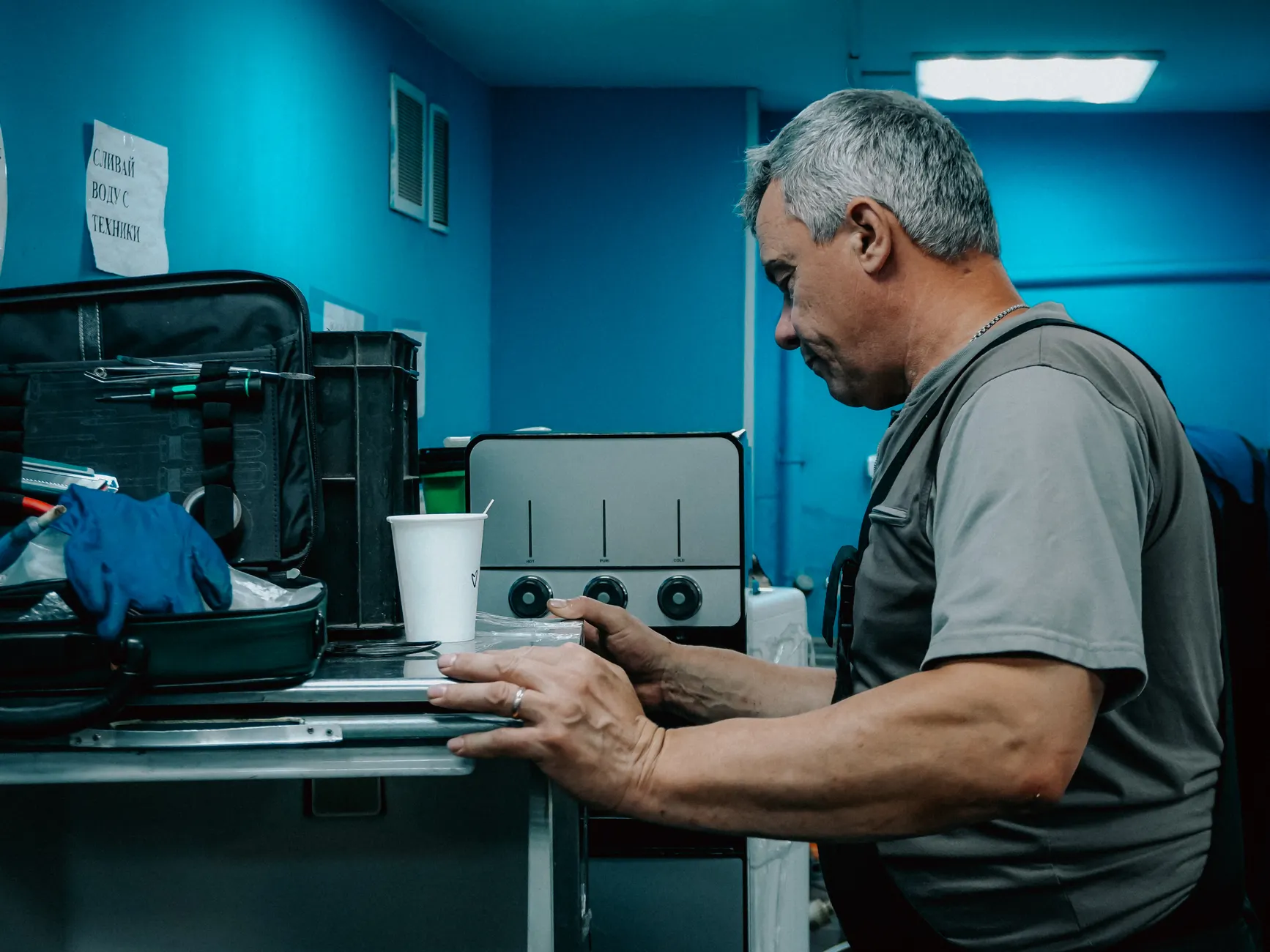
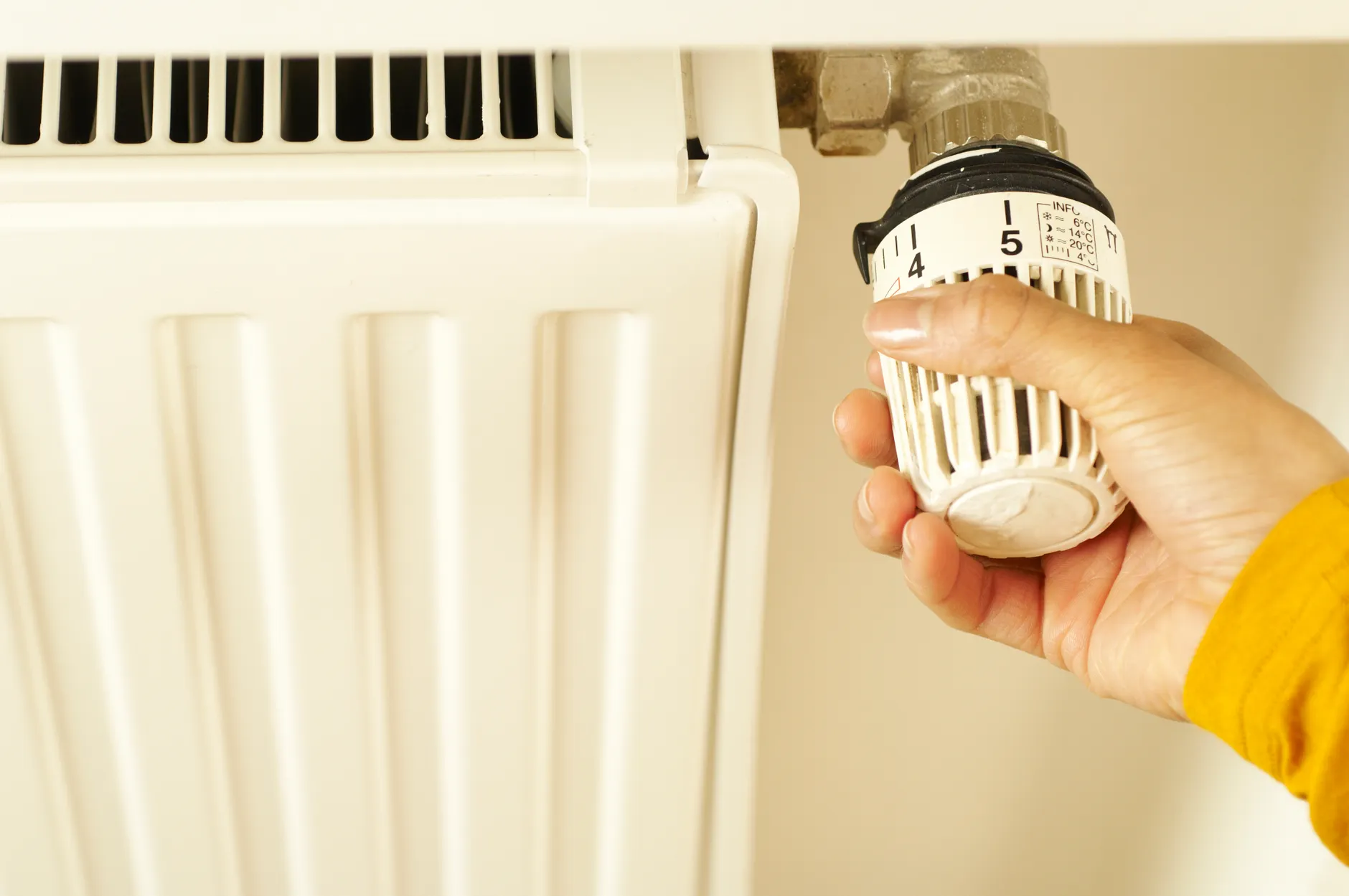
No heat, no hot water, a pressure gauge that won't hold, or an error code on the display — combi and system boiler faults across Hounslow and Southall trace back to limescale-related wear on internal components more often than a single random part failing. Diagnosis starts with the fault code and a check of the exchanger and pump before anything gets replaced.
Combi boilers, which heat water on demand rather than storing it, are the majority of what we see in Hounslow's newer conversions and the Green Quarter's flats; older system-boiler-and-cylinder set-ups are more common in Heston's unmodernised semis.
Hot Water Cylinders & Immersion Heaters
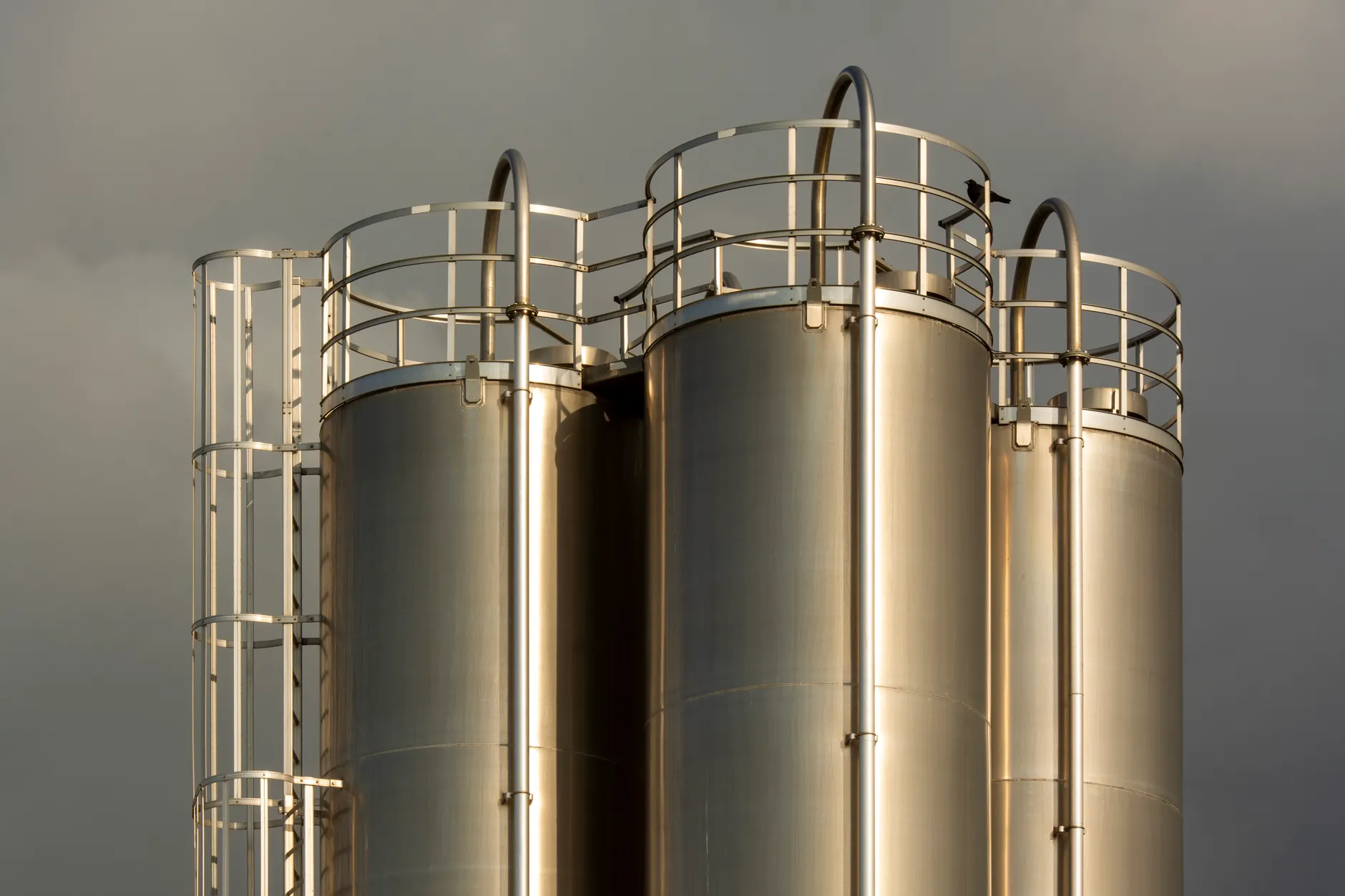
A hot water cylinder that's slow to heat, or an immersion heater that trips the electrics, is frequently a scale problem rather than a component failure — the coil or element working through a layer of limescale that's built up over years of hard-water use. We check the element and coil condition before assuming a replacement is needed.
Airing-cupboard cylinders in Heston and Hounslow's interwar semis, many original to the house, are the most common candidates we see for this exact fault.
Power Flushing
A power flush forces cleaning fluid through the entire heating system under pressure, breaking down and removing accumulated scale and sludge from radiators, pipework and the boiler's heat exchanger — the direct fix for a system that's been running on hard water for years without one. It's usually the single most effective thing you can do for an older system before considering full replacement.
We run it as a standalone service or alongside a boiler repair, since flushing the system properly after a repair stops fresh scale build-up undoing the fix within a year.
The Benefits
Why Fix the Cause, Not Just the Symptom
Replacing a part without addressing the scale that likely caused it to fail buys a shorter fix than it should.
We Diagnose Scale Before We Quote Parts
A failed pump or a cracked heat exchanger might genuinely need replacing, but if hard-water scale caused it to fail early, replacing the part alone just restarts the same clock. We check for scale build-up as standard on every callout, not as an upsell, because it changes what the right fix actually is.
Written Pricing Before Any Work Starts
Boiler repair across Hounslow and Southall typically runs £120–£500 depending on the fault and parts needed, with a full system power flush typically £300–£700. Both are confirmed in writing before work begins, based on what's actually found rather than a guess made over the phone.
Built to the Regulations That Cover Gas Work
Any work on a gas boiler or gas-fired cylinder is carried out to the Gas Safety (Installation and Use) Regulations 1998, the statutory framework covering gas appliances in UK homes, and to the manufacturer's own service specification for the unit in question. That's the standard applied on every job, not a claim made for marketing purposes.
Why Us
Why Hounslow & Southall Trust Us With Their Boiler
Scale takes a boiler down in a recognisable order, and the housing in each area, from Heston's interwar cylinders to Old Isleworth's Victorian terraces, shows where to look first.
We Know Heston's Interwar Stock
The bay-fronted semis that filled Heston after the Great West Road opened in 1925 typically still run original or early-replacement cylinders, many never flushed. That profile — old cylinder, hard water, decades of scale — is one of the most predictable fault patterns we see, and knowing it in advance speeds up diagnosis.
The Same Hard Water, the Same Fix, Across Every Area
Thames Water supplies the entire service area — Hounslow, Southall, Isleworth and Heston alike — with the same hard water, so the scale problem doesn't discriminate by postcode. Whether it's a Victorian terrace in Old Isleworth or a new-build flat in the Green Quarter, the diagnosis starts from the same starting assumption.
Coordinated Alongside the Rest of Your Plumbing
A boiler rarely fails in isolation from the rest of the system — a cylinder losing pressure can point to a leak elsewhere, which is where leak detection comes in, and a full re-pipe sometimes runs alongside a bathroom installation. See our full services for how it all connects.
For the full lineup of what we cover — emergency plumbing, blocked drains, leak detection and bathroom installation — see our services. Boiler and hot water work covers Heston and Isleworth on the same terms as the rest of the service area.
Frequently Asked Questions
Why is hard water such a big deal for boilers in Hounslow and Southall specifically?
Thames Water classifies the water it supplies across its entire region as hard, using its own scale that puts 'hard' at 200–300 mg/l calcium carbonate and 'very hard' above 300 mg/l — and that includes the whole service area, not just parts of it. Every combi boiler, hot water cylinder and immersion heater in Hounslow, Southall, Isleworth and Heston is exposed to that same scale-forming water from day one of installation. It's the single most common background driver of boiler breakdown and reduced efficiency we see across the entire area.
How do I know if limescale is actually the problem with my boiler?
Common signs include a boiler that's noticeably noisier than it used to be, hot water that takes longer to reach temperature or runs out faster than it once did, and a gradual rise in energy use for the same amount of hot water. A pressure gauge that won't hold, or an error code relating to the flow or exchanger, can also point to scale restricting flow inside the system. We check for it directly during diagnosis rather than relying on symptoms alone, since scale build-up is often invisible until it's advanced.
What's a power flush, and do I actually need one?
A power flush forces cleaning fluid through your entire heating system under pressure to break down and remove built-up scale and sludge from radiators, pipework and the boiler itself. If your system has never had one and is more than a few years old on Thames Water's hard supply, it's very likely carrying some scale, particularly in Heston and Hounslow's older interwar stock. It's typically worthwhile whenever radiators are cooler at the bottom than the top, or a boiler is working harder than it should for the heat it's producing.
How much does boiler repair cost in Hounslow and Southall?
Typical boiler repairs run £120–£500 depending on the fault and parts required, while a full system power flush typically runs £300–£700. Both figures are confirmed in writing once the actual cause has been diagnosed, not guessed at over the phone. A straightforward part replacement sits at the lower end; anything involving significant scale removal or a harder-to-access component sits higher.
Should I repair my old boiler or replace it?
It depends on the age, the extent of scale damage, and whether the fault is isolated or symptomatic of a system that's failing more broadly — we'll give you an honest answer on which side of that line your boiler sits once we've diagnosed it, rather than defaulting to whichever is more profitable for us. A boiler with one failed part and otherwise sound internals is usually worth repairing; one riddled with scale damage across multiple components after years of hard water with no flushing often isn't. As a rough guide, a boiler under ten years old with a single failed part is nearly always worth fixing, while one already on its second or third repair in as many years is usually the point to weigh replacement seriously.
What's the difference between a combi boiler and a system boiler with a cylinder?
A combi boiler heats water on demand directly from the mains, with no separate storage tank or cylinder — common in Hounslow's newer conversions and the Green Quarter's flats. A system boiler heats water that's then stored in a separate hot water cylinder, usually in an airing cupboard, which is more common in Heston and Hounslow's older interwar semis. Both are exposed to the same hard-water scaling, but the failure points differ — a combi's heat exchanger versus a cylinder's coil and immersion element.
My hot water cylinder is slow to heat up — what's wrong?
The most common cause in this area is limescale building up on the cylinder's heating coil or around the immersion element, insulating it from the water it's meant to be heating and forcing it to work far harder for the same result. This is especially common in older, never-flushed cylinders in Heston and Hounslow's interwar semis. We check the coil and element condition directly rather than assuming the cylinder itself needs replacing.
What standard is gas work on my boiler carried out to?
Any work on a gas boiler or gas-fired hot water cylinder is carried out to the Gas Safety (Installation and Use) Regulations 1998, the statutory UK framework governing gas appliance work in domestic properties, alongside the specific manufacturer's service specification for the unit itself. That's the standard we build the work to on every callout across Hounslow and Southall, regardless of the boiler's age or make. In practice that covers everything from correct flue routing and ventilation to how the appliance is tested and signed off once work is finished, not just the physical repair itself.
Can a power flush be done alongside a repair, or does it need a separate visit?
It can usually be done in the same visit as a repair, and often should be — flushing the system after fixing the immediate fault clears out the scale that likely contributed to the failure, reducing the chance of a repeat callout within the year. Whether it makes sense to combine the two depends on how extensive the scale build-up looks once the system is open, which is something we can usually tell you on the day. Combining both in one visit also means one call-out rather than two, and a single written quote covering the repair and the flush together rather than a second job booked in separately later.
Does a new boiler still need protecting from hard water, or is that only an old-boiler problem?
A brand new boiler on Thames Water's hard supply starts scaling from day one just like an old one did, so protection matters from the outset, not just as a fix for an existing problem. Manufacturers typically expect some form of water treatment as part of a compliant installation on a hard-water supply, and skipping it is one of the more common reasons a boiler underperforms well before its expected lifespan. We factor that into every new installation, not just repairs on older units.
Get Your Boiler Diagnosed Properly
Scale-first diagnosis, written quote before any part is replaced. Call 07863 767134.
07863 767134